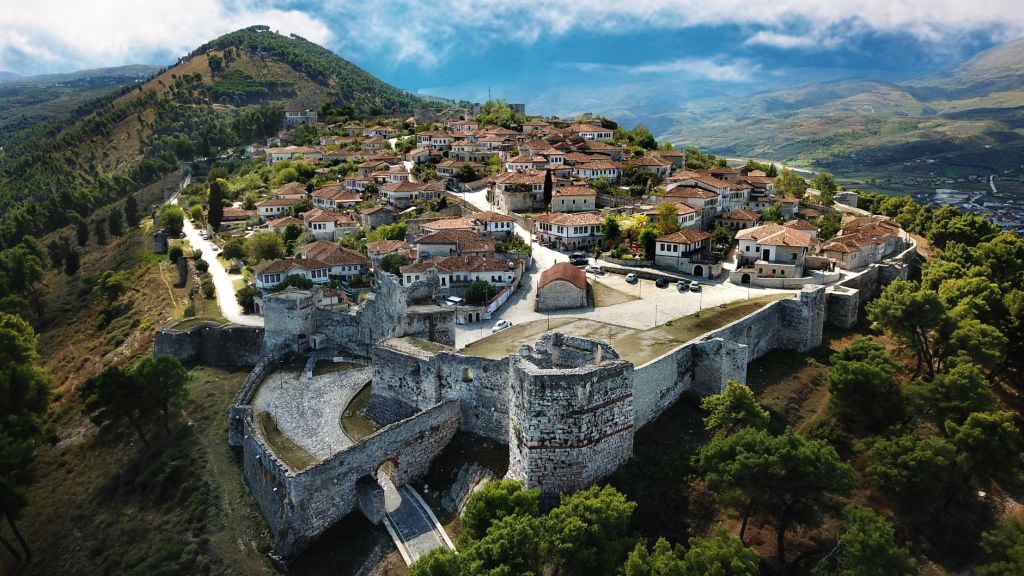
When it comes to planning a trip to Europe, most of us tend to have the same destinations on our wish lists. There’s Paris, of course, along with Rome, Barcelona, London, and perhaps somewhere along the Amalfi Coast if we’re dreaming of a little sunshine and a glass of wine overlooking the Mediterranean.
And there’s absolutely nothing wrong with any of those places. They’re popular for a reason, and I’d happily visit every single one of them again.
But one of the things I love about Europe is that you don’t have to venture far from the major tourist destinations to find adorable little towns and villages that most American travelers have probably never even heard of.
I’m talking about places with narrow cobbled streets, little family-run restaurants, centuries-old buildings, and town squares where people are going about their everyday lives rather than posing for social media posts!
Of course, some of these places are well known to Europeans, so I’m certainly not suggesting you’ll have them all to yourself. But they’re not necessarily the places that immediately spring to mind when you’re planning your next European vacation, and I think that’s a shame.
So, I’ve put together a list of ten lovely European towns that I think deserve a little more attention. Some make wonderful day trips, while others are worth spending a night or two in, especially if you enjoy exploring at a more leisurely pace.
1. Muggia, Italy
If you’ve ever visited Venice and loved the architecture, colorful buildings, and little waterfront cafés but could have done without the crowds, you might want to add Muggia to your list.
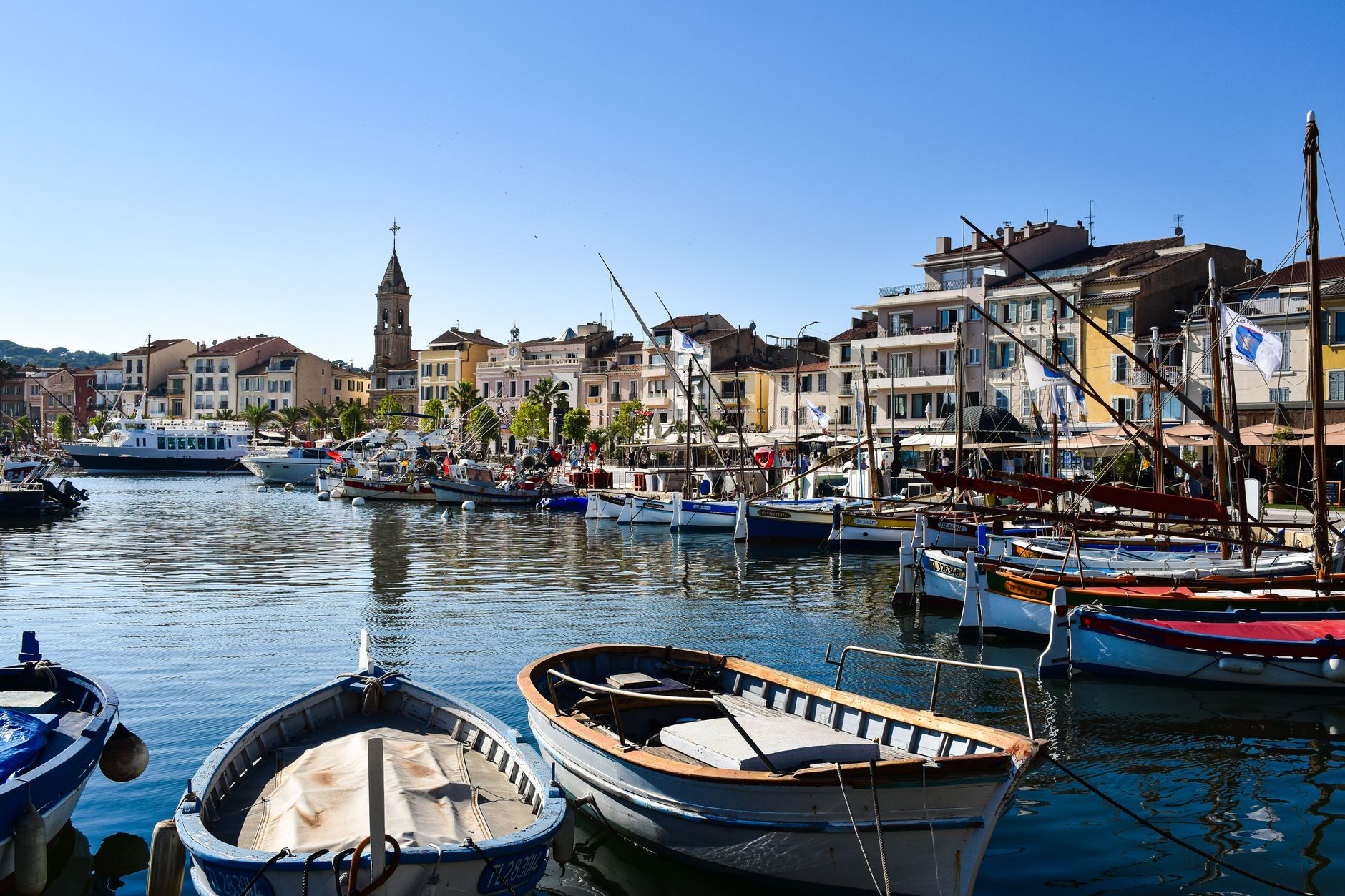
Just outside Trieste, near the Slovenian border, Muggia is a small Italian fishing town with a distinctly Venetian feel, thanks to its long history of connections with Venice.
The historic center is filled with narrow streets, pastel-colored buildings, and little squares where you can stop for a coffee or something to eat. Piazza Marconi is the main square, and with its cathedral, cafés, and traditional buildings, it’s a great place to spend a little time before wandering down toward the harbor.
What appeals to me about Muggia is that it seems like the kind of place where you could spend a relaxing afternoon without needing a list of attractions to tick off. You could explore the old streets, have a leisurely lunch, wander along the waterfront, and perhaps find yourself a nice spot to sit with a glass of wine.
And because it’s so close to Trieste, you could easily visit both places on the same trip.
A few things worth seeing: Piazza Marconi, the historic harbor, Muggia Cathedral, and the streets around the old castle.
Getting there: Muggia is around a 20–30-minute drive from Trieste, depending on traffic, and is also accessible by local bus.
2. Veules-les-Roses, France
France has no shortage of pretty villages, but Veules-les-Roses in Normandy is particularly lovely, especially if you enjoy exploring little places on foot.
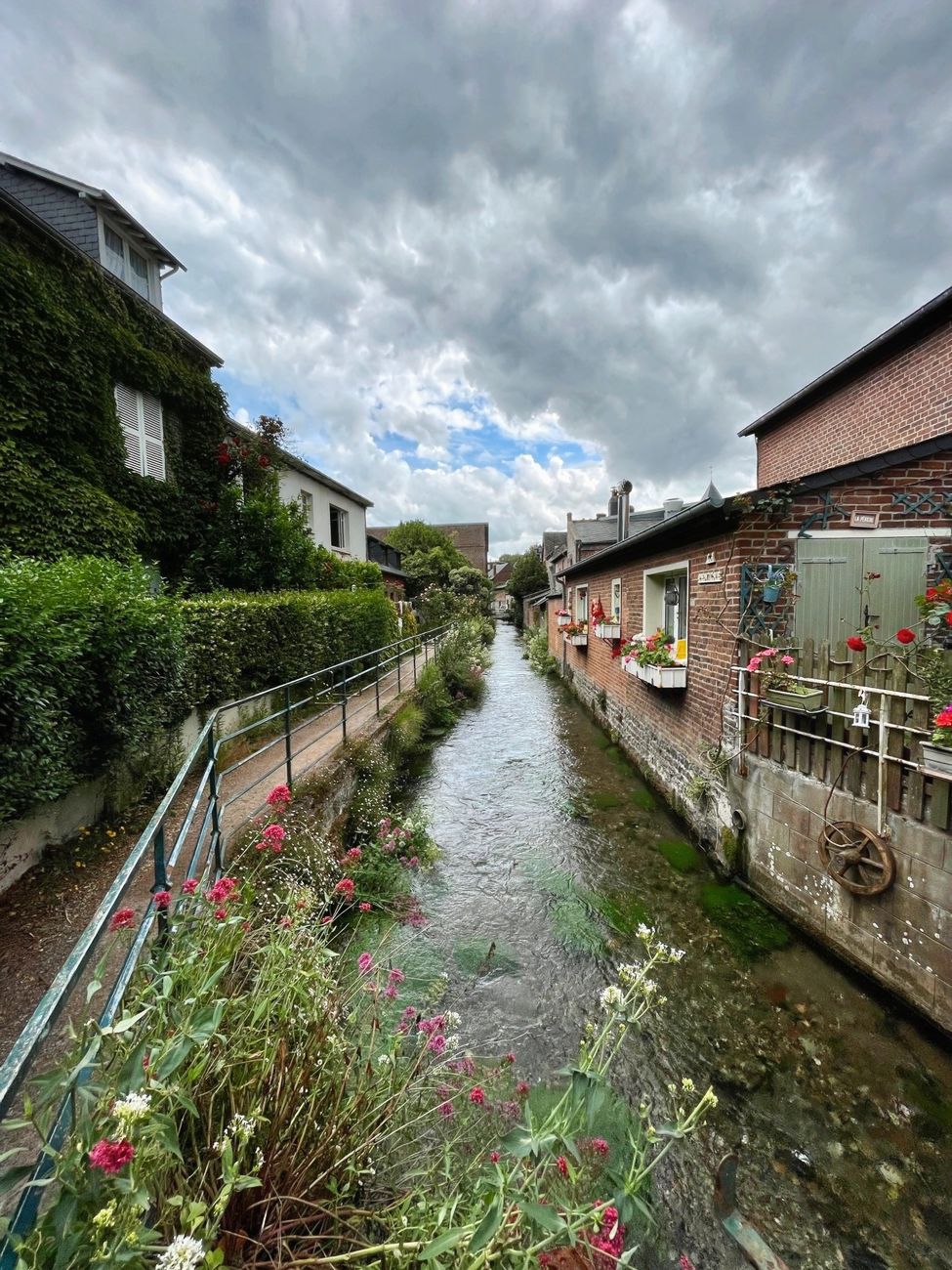
The village is famous for the River Veules, just over a kilometer long and considered one of France’s shortest rivers. It winds its way through the village, passing old watermills, traditional Norman cottages, gardens, and little footbridges before eventually reaching the English Channel.
The whole place looks incredibly picturesque, and I can definitely imagine spending a couple of hours just following the river, stopping to take photographs, and admiring the houses along the way.
Normandy’s dramatic chalk cliffs also back a pebble beach, so you get a lovely combination of countryside and coast without having to travel between the two.
I think this would be a fantastic place to visit during the warmer months when the gardens are looking their best, although I imagine it would be equally atmospheric on a crisp autumn day.
And naturally, being in France, I’d have to allow plenty of time to find a bakery – or two!!
A few things worth seeing: The River Veules walking route, the old watermills, the traditional cottages, and the seafront.
Getting there: A car is probably the easiest way to visit, and the village is about an hour’s drive from Rouen.
3. Monsaraz, Portugal
Portugal has become very popular over the last few years, but while most visitors head straight for Lisbon, Porto, or the Algarve, some amazing places are worth exploring further inland.
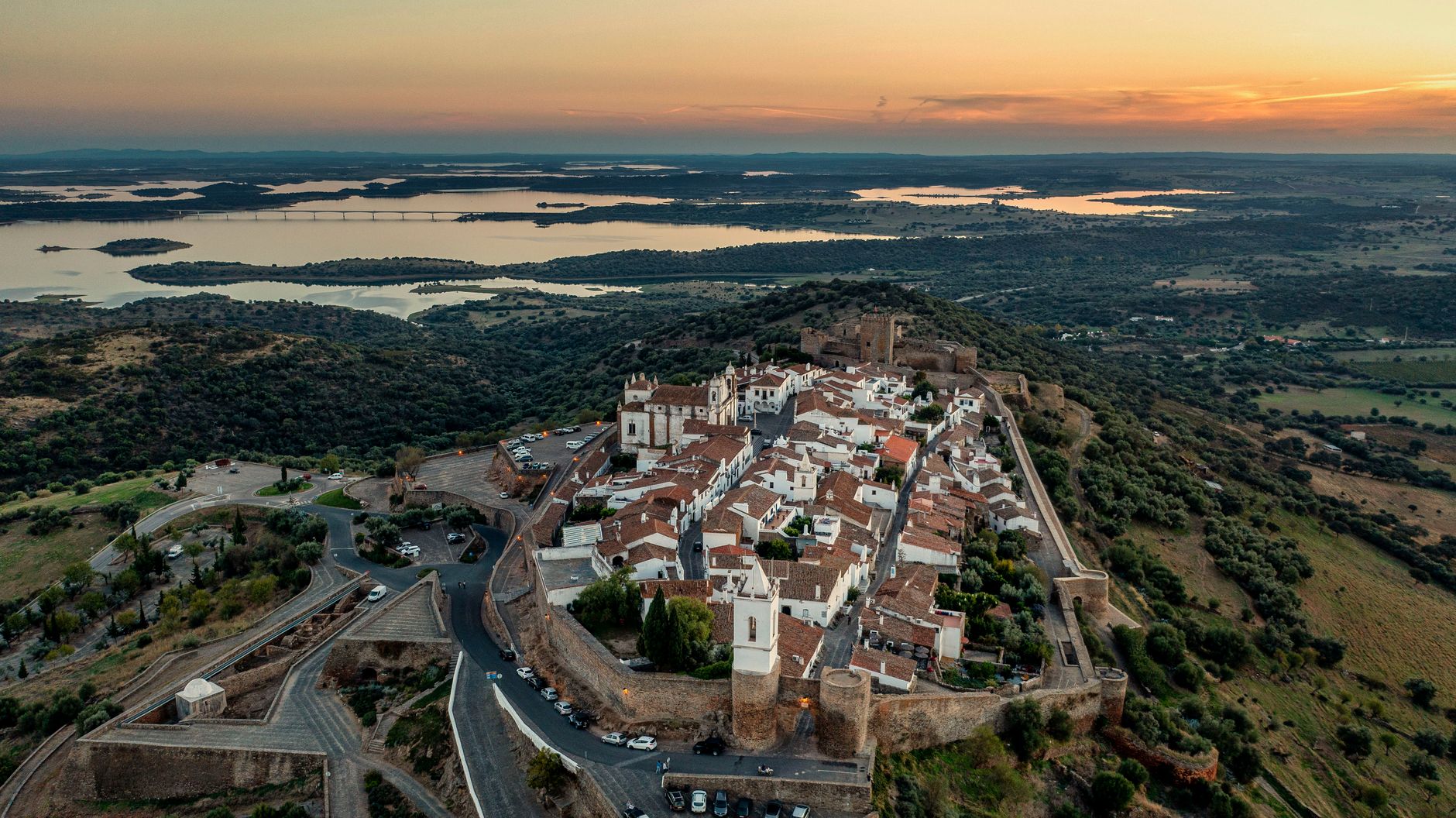
One of them is Monsaraz, a tiny medieval village in the Alentejo region, not far from the Spanish border.
Perched on top of a hill and surrounded by ancient walls, Monsaraz is filled with whitewashed houses, cobbled streets, and traditional buildings that have changed very little over the centuries.
There’s also a medieval castle with beautiful views over the surrounding countryside and Alqueva Lake, which would be reason enough for me to visit.
The village itself is very small, so you wouldn’t need an entire day to explore it, but I think that’s part of the appeal. Rather than rushing from one attraction to another, you could spend a couple of hours wandering around, enjoy a long lunch, and maybe sample some local Alentejo wines.
Thinking about it, I’d be quite happy to stay overnight, especially if I could find a cute little guesthouse with a terrace overlooking the countryside!
A few things worth seeing: Monsaraz Castle, the old village walls, the historic streets, and the views across Alqueva Lake.
Getting there: Monsaraz is approximately a two-hour drive from Lisbon, and having a rental car would make exploring the surrounding area much easier.
4. Hondarribia, Spain
If you’re planning a trip to northern Spain, particularly the Basque Country, Hondarribia is somewhere I’d seriously consider adding to your itinerary.
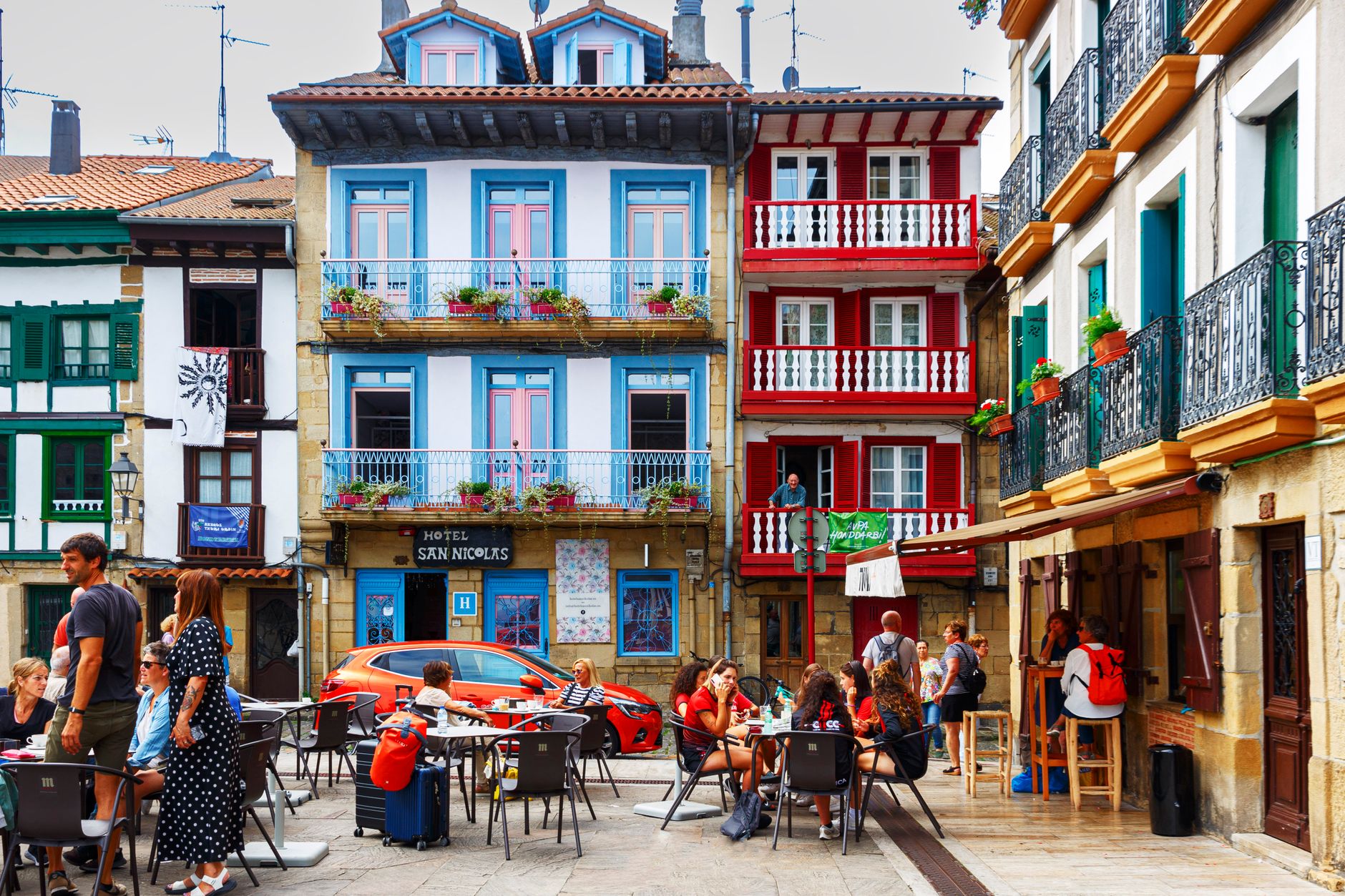
Close to the French border and just a short distance from San Sebastián, it’s a colorful coastal town with a lovely historic center and an excellent reputation for food.
Two main areas are worth exploring, starting with the Old Town, where you’ll find medieval walls, cobbled streets, and beautiful old buildings. Then there’s the Marina neighborhood, which looks particularly inviting with its brightly painted houses, traditional wooden balconies, and streets filled with restaurants and pintxos bars.
If you’re not familiar with pintxos, they’re small snacks popular in the Basque Country, often served on little slices of bread. The idea is to move between bars, trying different things as you go, very similar to the tapas idea!
Hondarribia also has a beach and picturesque views across the water toward France, so you could easily combine a little sightseeing with some time by the sea.
And if you’re already visiting San Sebastián, it’s a very manageable day trip without having to rearrange your itinerary.
A few things worth seeing: The historic Old Town, the colorful Marina neighborhood, Calle San Pedro, and the waterfront.
Getting there: Hondarribia is around a 25-minute drive from San Sebastián, with public transportation options available.
5. Krujë, Albania
Albania is one of those countries that seems to be appearing on more and more European travel itineraries, and I can understand why. It has beautiful scenery, an interesting history, and plenty of places that are still relatively unfamiliar to international visitors.
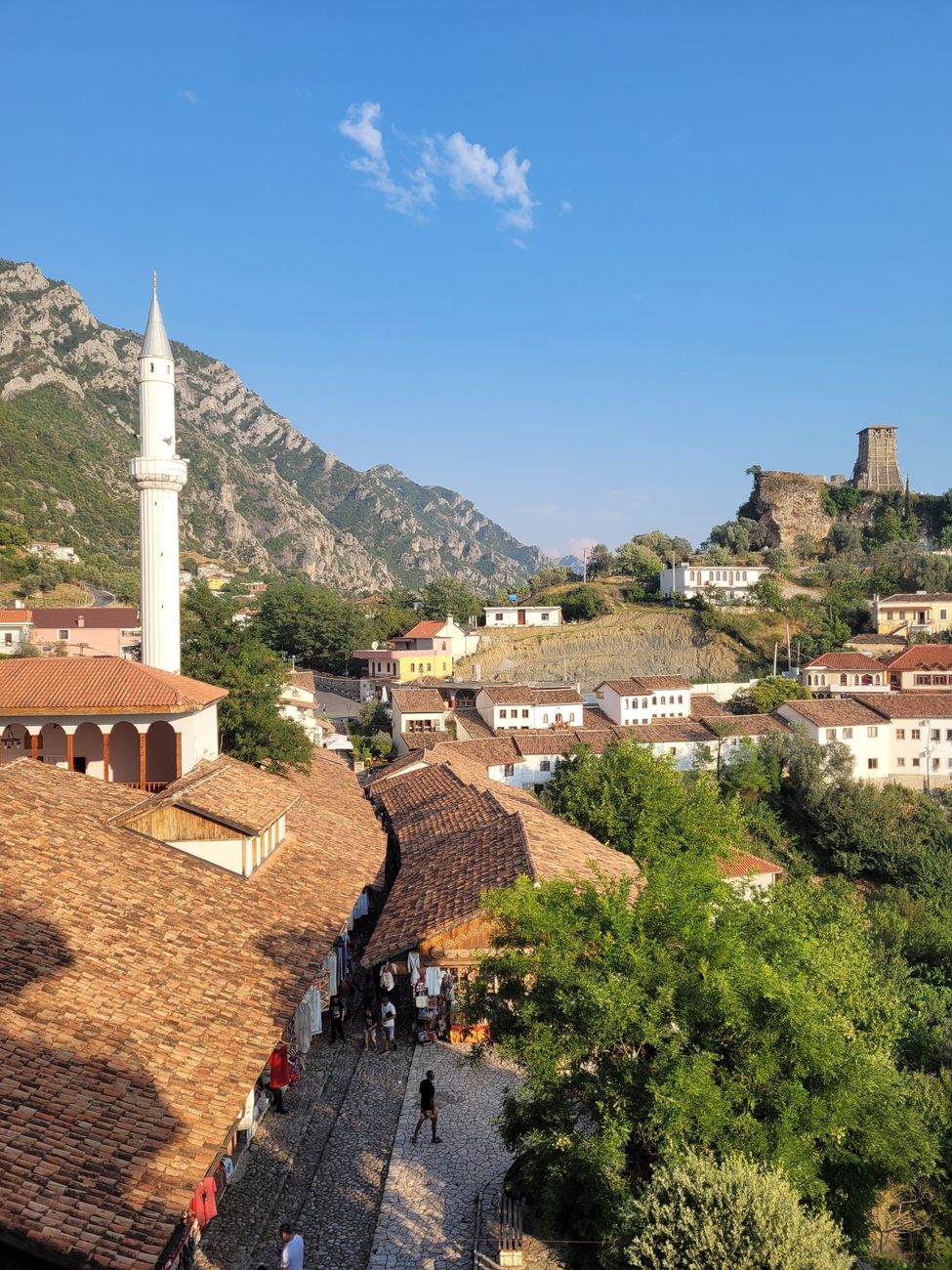
Krujë, located in the mountains north of Tirana, is one of the country’s most historic towns and looks like a fascinating place to spend a day. The town is best known for its castle, which has strong connections to Skanderbeg, Albania’s national hero.
The town features a charming old bazaar that has been central to local life for centuries. This bazaar consists of a narrow, cobbled street lined with traditional shops offering a wide range of items, including handmade rugs, textiles, antiques, copperware, and souvenirs.
I always enjoy wandering around markets when I travel, especially when I can see traditional crafts and find something a little different to bring home, so I think I’d probably spend a fair amount of time here.
The castle complex also includes museums, and because Krujë sits high in the mountains, it offers beautiful views over the surrounding countryside.
If you’re staying in Tirana, it’s close enough for a day trip, but I’d still allow enough time to explore the bazaar without feeling rushed.
A few things worth seeing: Krujë Castle, the Skanderbeg Museum, the Old Bazaar, and the mountain views.
Getting there: Krujë is approximately a 45–60-minute drive from Tirana, depending on traffic.
6. Sighișoara, Romania
I’ve always thought Romania looks like a fascinating country to explore, particularly if you’re interested in medieval towns, castles, and a little bit of history.
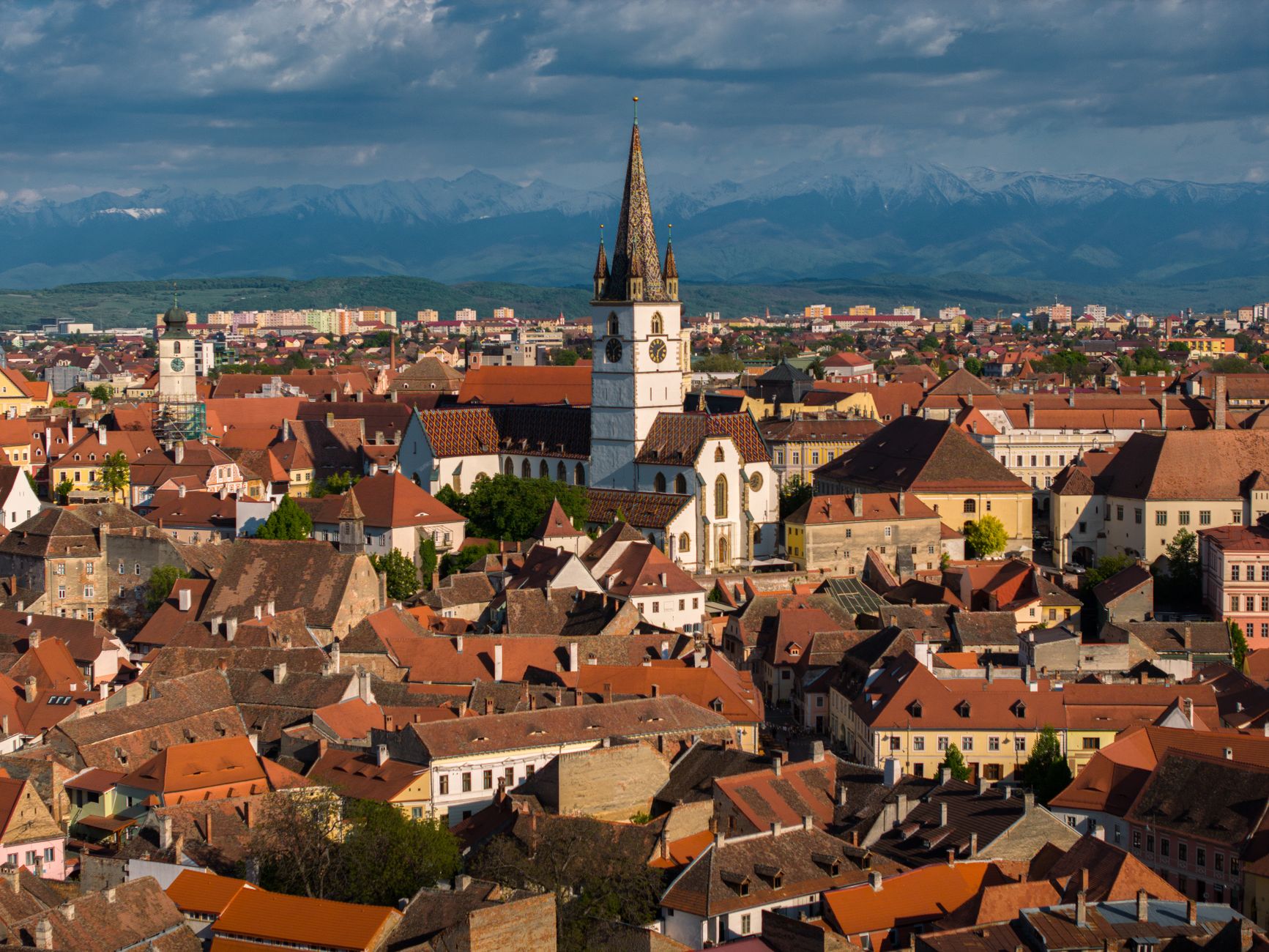
And Sighișoara, in the Transylvania region, certainly has plenty of all three!
The town is famous for its beautifully preserved medieval citadel, a UNESCO World Heritage Site, and its historic center, filled with colorful buildings, cobbled streets, old towers, and narrow passageways.
One of the main landmarks is the Clock Tower, which dates back to the Middle Ages and offers wonderful views over the town’s rooftops.
There’s also the Covered Staircase, a wooden passageway with more than 170 steps leading up to the Church on the Hill. I suspect I’d need a little breather by the time I reached the top, but the views and historic surroundings would make it worthwhile.
And, of course, you can’t really mention Transylvania without bringing up Dracula.
Sighișoara is traditionally associated with the birthplace of Vlad the Impaler, the historical ruler who helped inspire Bram Stoker’s fictional vampire. Several places around town reference this connection, so if you enjoy a little spooky history, there’s plenty to interest you.
The town is small enough to explore on foot, and I think it’s especially lovely to stay overnight and wander around in the evening once some of the day-trippers have gone home.
A few things worth seeing: The Clock Tower, the Covered Staircase, the medieval citadel, and the Church on the Hill.
Getting there: You can reach Sighișoara by train from several Romanian cities, including Brașov and Sibiu.
7. Clonakilty, Ireland
Ireland is full of wonderful little towns, and while places like Galway, Killarney, and Dingle tend to get most of the attention, plenty of others are worth the time.
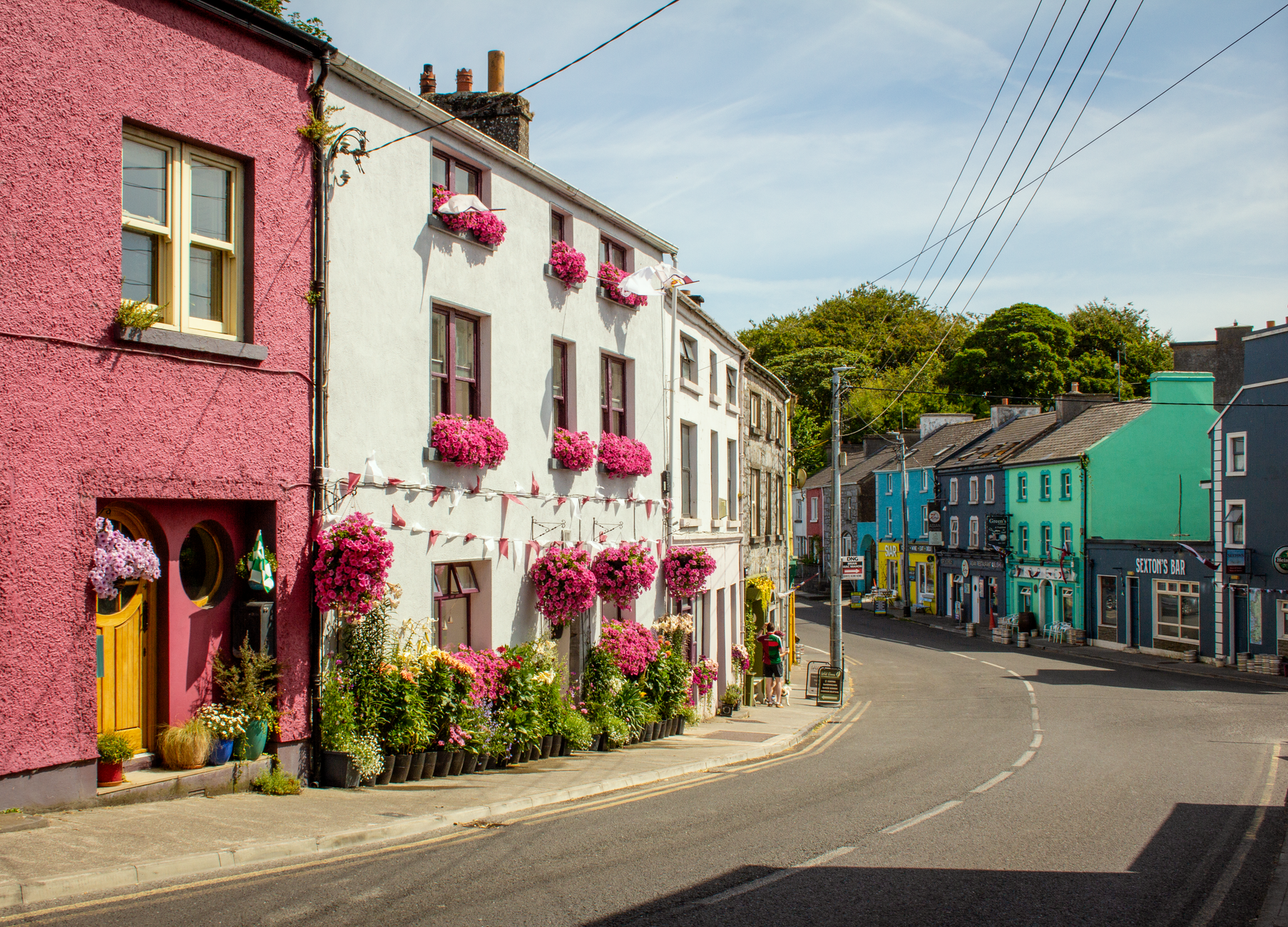
Clonakilty, in West Cork, is one of them.
It’s a colorful market town with independent shops, traditional pubs, restaurants, and a lively music scene, and it looks like a lovely place to spend a couple of days while exploring this part of Ireland.
The town is also famous for Clonakilty Blackpudding, which has been produced locally for generations and is a well-known part of the traditional Irish breakfast. I know black pudding isn’t everyone’s favorite, but if you enjoy trying regional food when you travel, you might want to try it.
One thing I particularly like about Clonakilty is its location, because you’re also close to some beautiful stretches of the West Cork coastline.
Inchydoney Beach is only a short drive away and is known for its long sandy beach and Atlantic views, so you could spend the morning exploring the town before heading out to the coast for a walk.
In the evening, I’d look for a nice traditional pub with a bit of live music. Preferably one with a roaring fire if the weather’s chilly!
A few things worth seeing: The colorful town center, the local shops and pubs, and nearby Inchydoney Beach.
Getting there: Clonakilty is approximately a 50-minute drive from Cork City, and there are also bus connections.
8. Kardamyli, Greece
When people plan a vacation to Greece, the islands usually get most of the attention, particularly Santorini, Mykonos, and Crete.
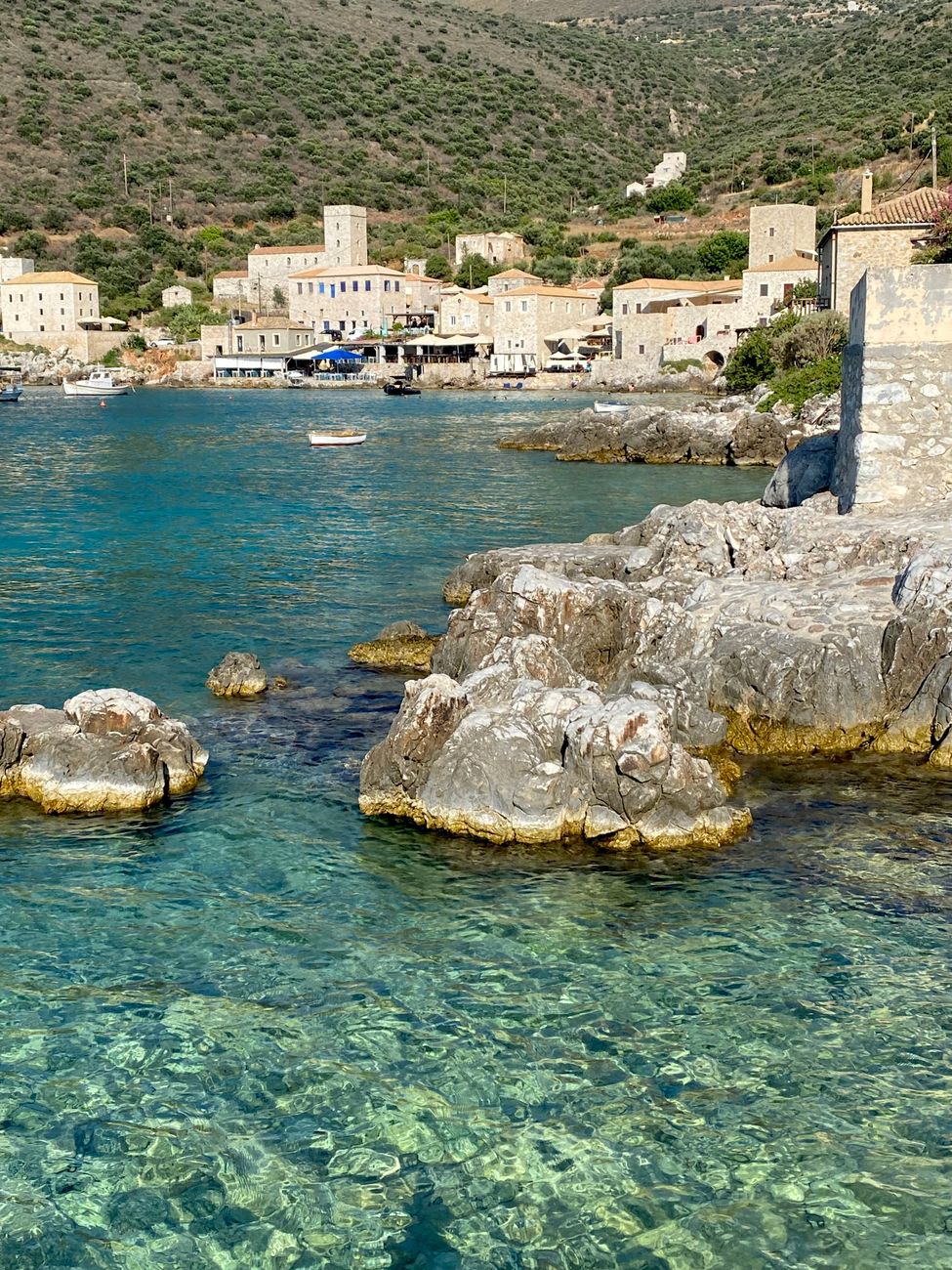
But mainland Greece has a lot to offer, and Kardamyli on the Mani Peninsula looks like a particularly lovely place to spend a few days.
Located in the southern Peloponnese, this small coastal village is surrounded by olive groves, mountains, and beautiful Mediterranean scenery. Unlike the whitewashed island villages you might associate with Greece, Kardamyli is known for its traditional stone buildings, old tower houses, and narrow streets.
Little cafés and waterfront tavernas line the waterfront, with plenty of opportunities to swim, walk, and explore the surrounding countryside.
The older part of the village is especially interesting, with historic buildings that offer a glimpse into the area’s past. At the same time, the nearby Taygetos Mountains provide wonderful scenery for anyone who enjoys hiking.
Personally, I think I’d be quite happy spending a few days here without doing much. A morning walk, a swim if the weather was warm enough, and a long lunch overlooking the water sounds pretty good to me.
And if you did want to explore further, having a rental car would make it easy to visit some of the other villages along the Mani Peninsula.
A few things worth seeing: Old Kardamyli, the waterfront, the traditional stone houses, and the surrounding countryside.
Getting there: Kardamyli is around a 45-minute drive from Kalamata, and a rental car is useful if you want to explore the area.
9. Banská Štiavnica, Slovakia
Slovakia isn’t a country people often mention when planning a European vacation, which is a shame because it has beautiful historic towns and countryside.
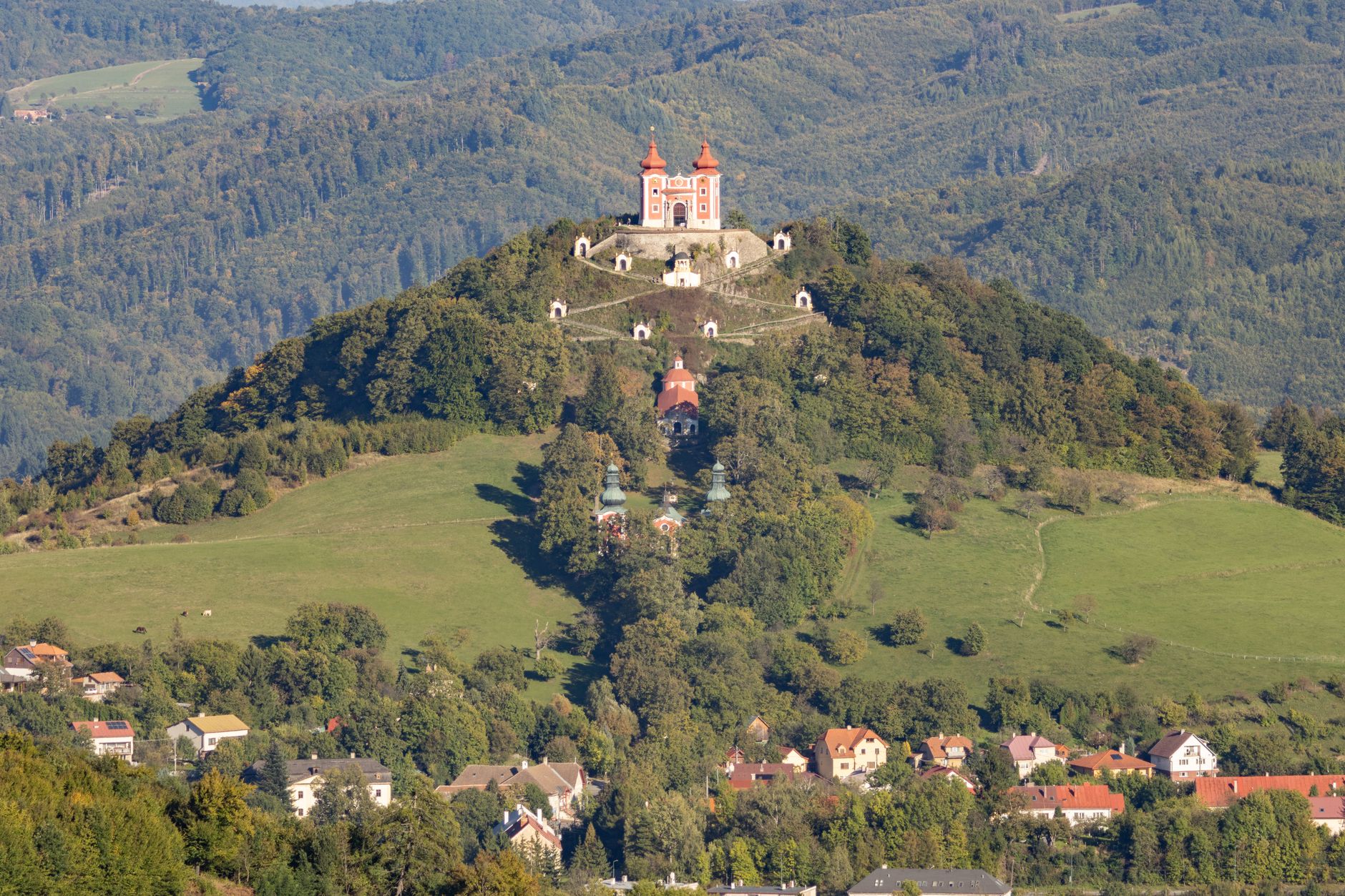
One place that caught my attention is Banská Štiavnica, a former mining town tucked into the hills of central Slovakia.
The town was once an important center for silver and gold mining, and much of its historic architecture reflects the wealth that mining brought to the area. Today, the old town is a UNESCO World Heritage Site, with colorful buildings, churches, little squares, and plenty of interesting places to explore.
The town also has two castles, museums, and historic mining sites where you can learn more about its past.
One of the area’s more unusual features is its network of artificial reservoirs, known locally as tajchy, originally built to supply water for mining operations. Today, several are used for recreation, and some are popular summer swimming spots.
I think Banská Štiavnica would be a particularly interesting stop on a road trip through Central Europe, especially if you enjoy combining history with a little time outdoors. And because hills surround it, you’d also have some lovely scenery to enjoy along the way.
A few things worth seeing: The Old Castle, the historic town center, the mining museums, and the nearby tajchy reservoirs.
Getting there: Banská Štiavnica is approximately a two-hour drive from Bratislava. Public transportation is available, although it usually involves connections.
10. Staithes, England
If there’s one thing England does particularly well, it’s charming little seaside villages, and Staithes on the North Yorkshire coast is a wonderful example.
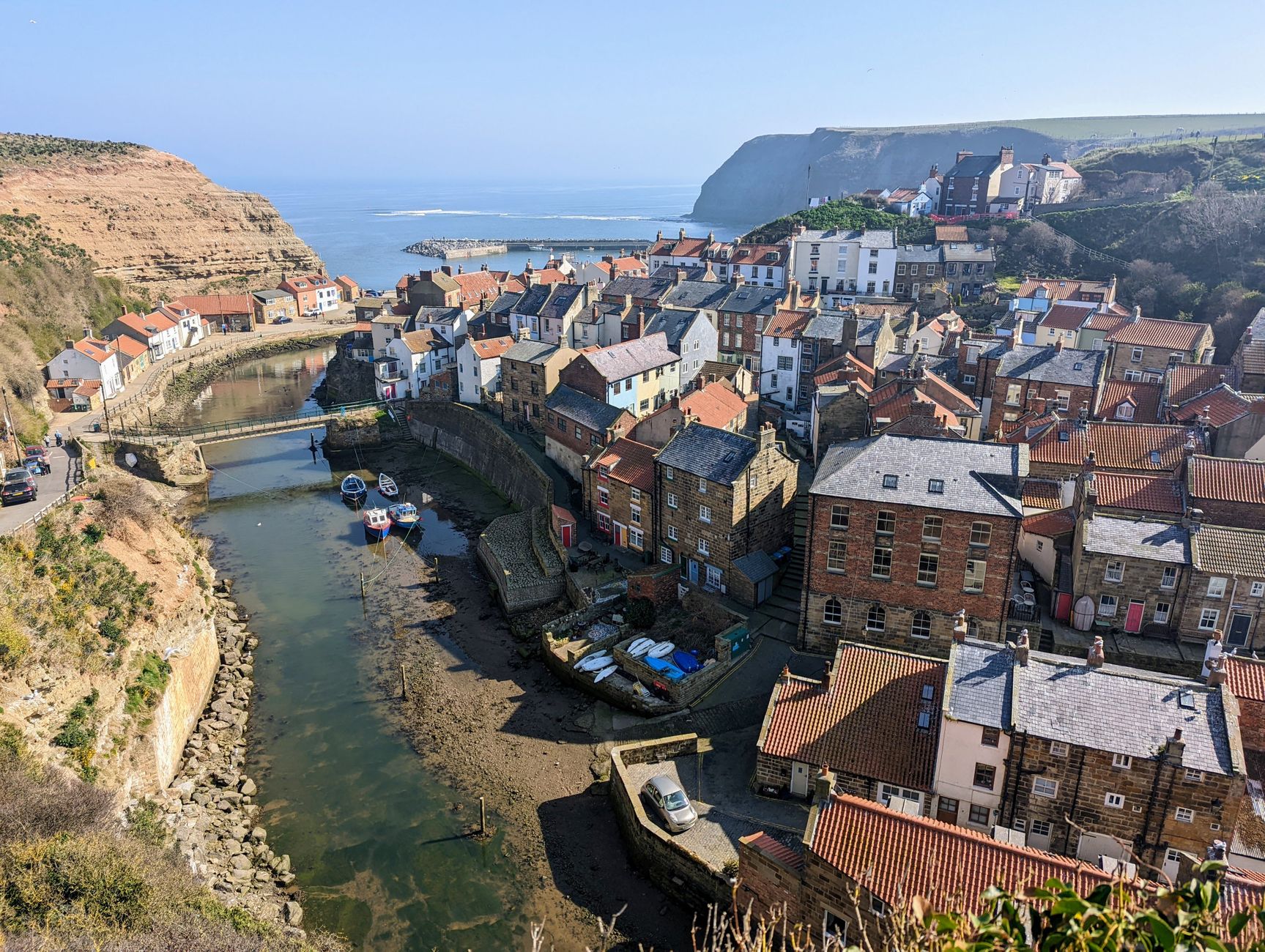
Tucked into a sheltered harbor between cliffs, this former fishing village is filled with narrow lanes, old cottages, little shops, and traditional pubs. The houses are packed closely together along the hillside, and the streets wind their way down toward the harbor, where you’ll find fishing boats and lovely views out to sea.
Staithes also has an interesting connection to Captain James Cook, who worked in the village as a young apprentice before beginning his maritime career.
These days, the village is popular with artists and photographers, and it’s easy to see why.
There’s also some wonderful coastal walking in the area, although I’d definitely recommend wearing comfortable shoes because the village is quite steep.
I think this would be a lovely place to visit on a road trip along the Yorkshire coast, perhaps combining it with a stop in Whitby, which is only a short drive away.
After a few hours wandering around the village and enjoying the sea air, I’d be more than ready to find a cozy pub for lunch, and fish and chips would probably be on the menu!
A few things worth seeing: The historic harbor, the winding village streets, the coastal views, and the local art galleries.
Getting there: Staithes is approximately a 25-minute drive from Whitby. Most visitors park above the old village and walk down to the harbor, so be prepared for the uphill walk back.
Sometimes it’s the little spots that really make a trip memorable.
I’m certainly not suggesting you should skip Paris, Rome, or any of Europe’s other famous destinations, particularly if it’s your first visit and you’ve always wanted to see them.
But I do think it’s worth looking beyond the usual tourist trail when you’re planning a trip, because so many wonderful little towns and villages are easy to overlook.
And the great thing is that you don’t necessarily need to plan an entire vacation around them. Depending on where you’re traveling, you might be able to make it a day trip, spend a night somewhere along the way, or even use a smaller town as a base for exploring the surrounding region.
I also think that as I’ve gotten older, I’ve come to appreciate the slower side of traveling a lot more. I still love seeing famous landmarks and exploring big cities, but I’m just as happy wandering around a quaint little town, finding somewhere nice for lunch, and enjoying the atmosphere without feeling like I have to cram ten different attractions into one day.
So, if you’re thinking about heading to Europe, why not consider adding one of these lesser-known towns to your itinerary? You might discover somewhere you’d never have thought to visit otherwise.
Have you visited any of these towns, or do you have a favorite little European town that you think deserves more attention? I’d love to hear about it in the comments!







Leave a Reply